Email Notifications for Shipping: Management in Logistics Systems

When email supports every shipment
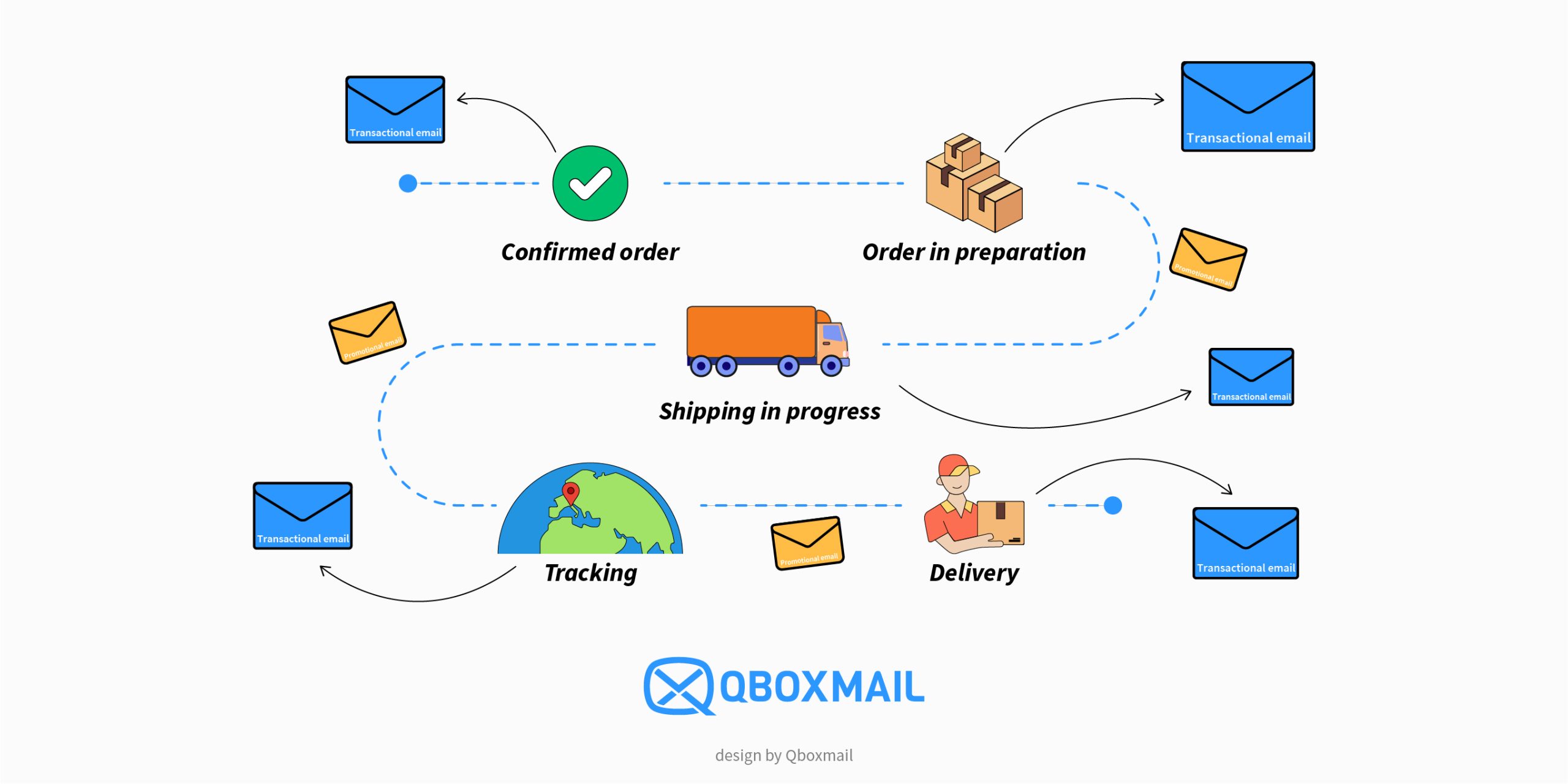
For a logistics company, email follows every step of a shipment. It covers pickup, transit updates, delivery attempts, storage notifications and final confirmation. Each event in the management system triggers an automated message that connects the internal platform with the final recipient.
Many companies still rely on application servers or SMTP settings inside their management systems to send notifications. This setup works while volumes stay predictable. When shipments increase, limits become clear. Queues become harder to monitor, logs are less readable and domain reputation becomes difficult to track.
When the system records an event, the recipient expects a timely message. If a shipment is marked as shipped or delivered but the email arrives late or does not arrive, a gap appears between the real status and the received information.
High volumes and operational peaks
The logistics sector moves between regular operations and high-intensity periods. These peaks often depend on campaigns, seasonality or specific events. In the weeks before Christmas, for example, shipment volumes grow and people closely follow every update.
During these periods, notifications increase quickly and the system must handle high loads in a short time. If the sending infrastructure does not manage these peaks correctly, delays or reputation issues can occur. These problems directly affect critical messages such as shipping confirmations or delivery attempt notices.
Even when logistics operations run correctly, an interruption in email flow breaks the continuity between the company and the recipient. Separating the sending layer from the application infrastructure allows the system to handle volume changes without affecting core operations.
Transactional emails and informational communications
Logistics companies mainly send transactional emails related to shipment status. In some cases, they also send informational or promotional messages to customers. Both types affect domain reputation.
If companies manage these flows without structure, deliverability can suffer and impact both operational and commercial messages. A structured approach allows better control of volumes, clear separation of traffic types and faster intervention when issues appear.
Email Delivery in a logistics company
Qboxmail Email Delivery manages the flows generated by logistics systems through a dedicated SMTP infrastructure. The system handles high volumes and sudden traffic peaks. It monitors the reputation of new accounts and distributes sending across managed IP pools. This approach keeps delivery stable even during high-intensity periods.
Integration happens via SMTP directly inside logistics systems. This setup does not require changes to existing workflows. It separates the application layer from the sending layer and keeps events and communications aligned. As a result, the company maintains a consistent flow of information toward customers and recipients.
If you manage a logistics platform or develop software for shipping companies and want to improve your sending infrastructure, activate the free Email Delivery plan and test the service directly within your workflows.

Qboxmail is partner of MSP Global 2026: Meet Us in Barcelona
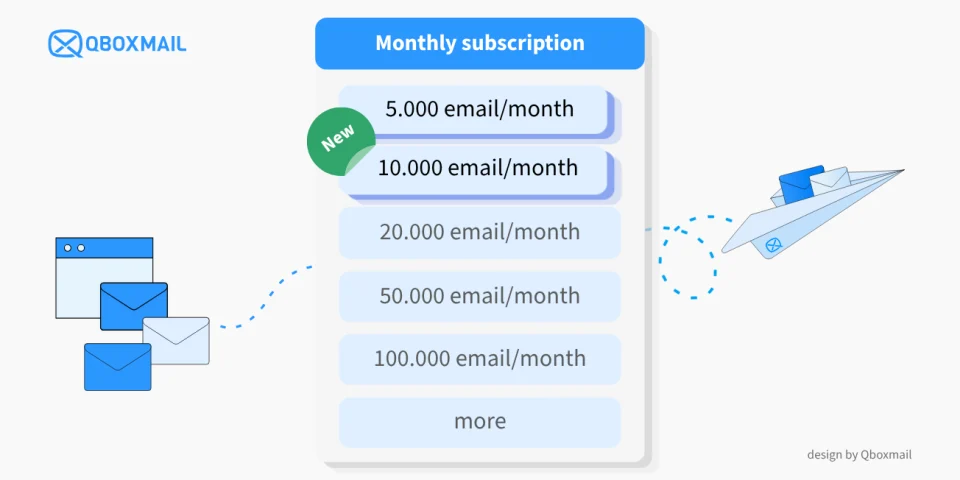
Low-Volume SMTP Relay: New Email Delivery Plans with 5,000 and 10,000 emails per month