Email Delivery for E-Commerce Workflows

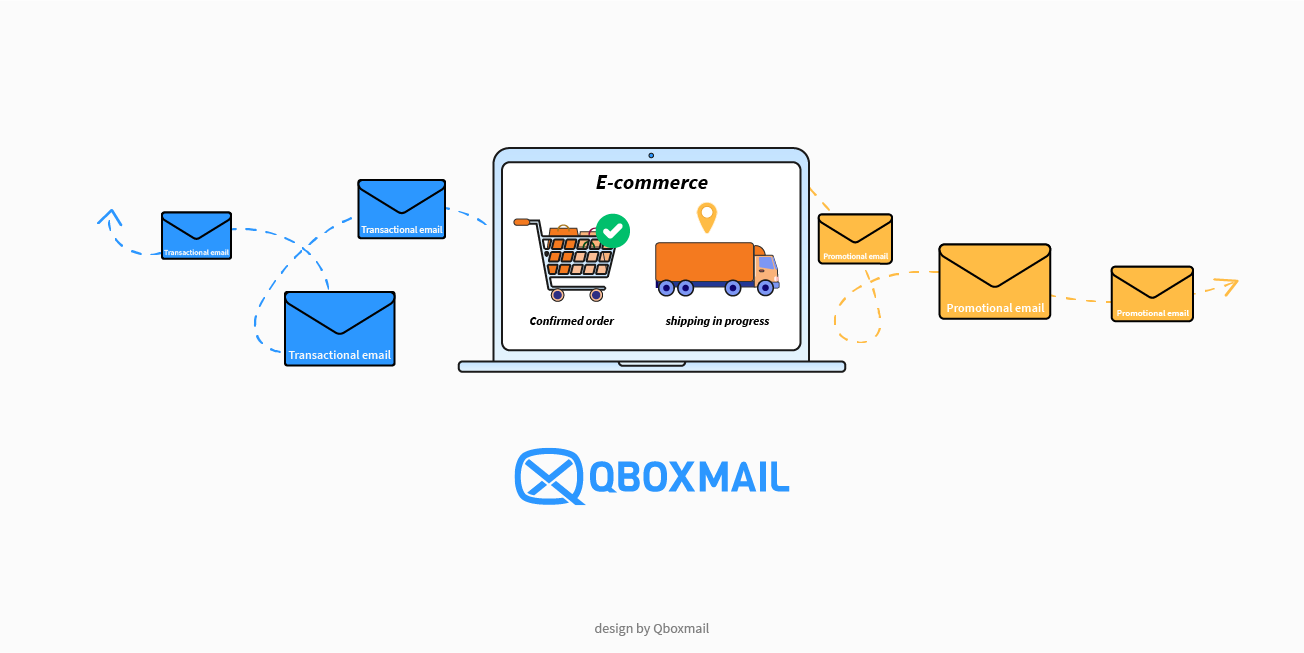
When email becomes part of the shop’s operations
In an online shop, email accompanies every operational step: order confirmations, payment notifications, shipping updates, password resets and account communications.
Each event triggers an automatic message that connects backend and customer in real time.
When delivery works as expected, the flow remains invisible. If a confirmation does not arrive, or lands in spam, the customer loses a clear reference and support must investigate. At that point, the issue affects service continuity, not just communication.
Many e-commerce platforms rely on the SMTP module built into the application or on generic server configurations. This setup works while volumes remain limited. When traffic increases due to campaigns or seasonal peaks, limits become visible. Sending queues grow. Logs become harder to read. Visibility on domain reputation decreases. Interventions become more complex when something stops.
Why separate sending from the application
Structured e-commerce businesses treat email sending as a distinct architectural component.
Separating sending from the web server and database prevents message load from interfering with catalog, cart and payment functions.
This approach allows you to:
- handle variable volumes without affecting shop performance
- maintain precise control over domain reputation and sending IP behavior
When the delivery infrastructure operates independently, system managers analyze traffic with greater precision and intervene quickly if anomalies appear.
Variable volumes and operational continuity
An e-commerce business alternates steady traffic with intense periods linked to promotions or seasonality.
During these phases, the sending infrastructure must sustain a high number of messages without affecting critical ones such as order confirmations or payment notifications.
If the architecture is not adequate, higher volumes can impact domain reputation or slow delivery. The effect extends beyond a single message. The entire automated communication flow becomes less reliable.
An Email Delivery service designed for high volumes organizes messages into pools based on reputation and message quality. The system adapts domain allocation according to sending volume and frequency. This reduces the risk of sudden blocks and maintains stability during traffic peaks.
Transactional and Promotional Emails
An online shop sends transactional emails tied to user actions and promotional emails related to commercial activity.
Both use the same domain and influence overall reputation.
Disorganized sending can create progressive effects that impact all messages. Structured deliverability management means controlling volumes, distinguishing traffic types and acting precisely when anomalies occur.
Email becomes part of the technical architecture and the purchasing experience. It ensures consistency between completed actions and received communications.
The role of Email Delivery
Qboxmail provides an Email Delivery service for high-volume transactional and promotional messages via SMTP. The system includes vetting of new customers and intelligent management of sending pools. These elements directly influence delivery quality.
Integrating Email Delivery into an e-commerce platform means assigning sending activities to an infrastructure built for variable volumes. It maintains consistent domain reputation over time.
Email supports shop processes without overloading the application or introducing operational fragility.
Reliable SMTP Relay for your e-commerce
Do you manage one or more e-commerce businesses and want to separate email sending from the application infrastructure?
Become a partner and activate Email Delivery free plan now!
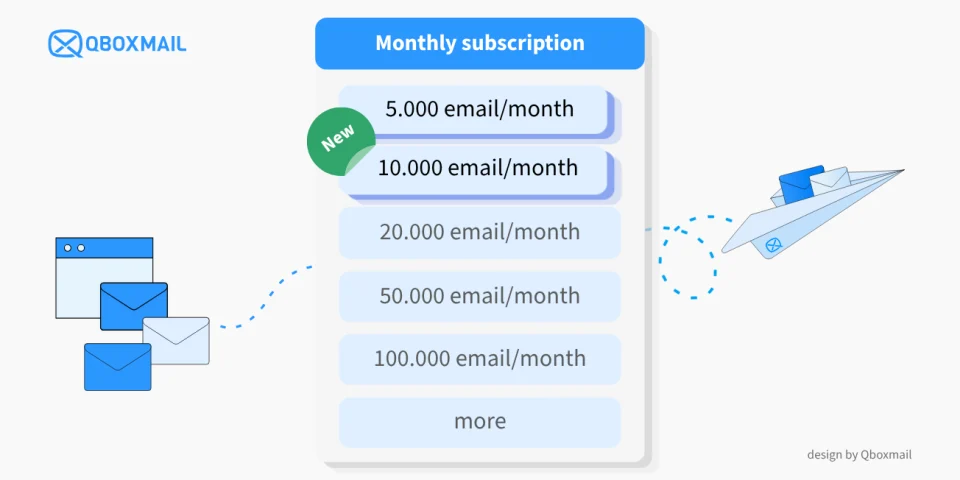
Low-Volume SMTP Relay: New Email Delivery Plans with 5,000 and 10,000 emails per month
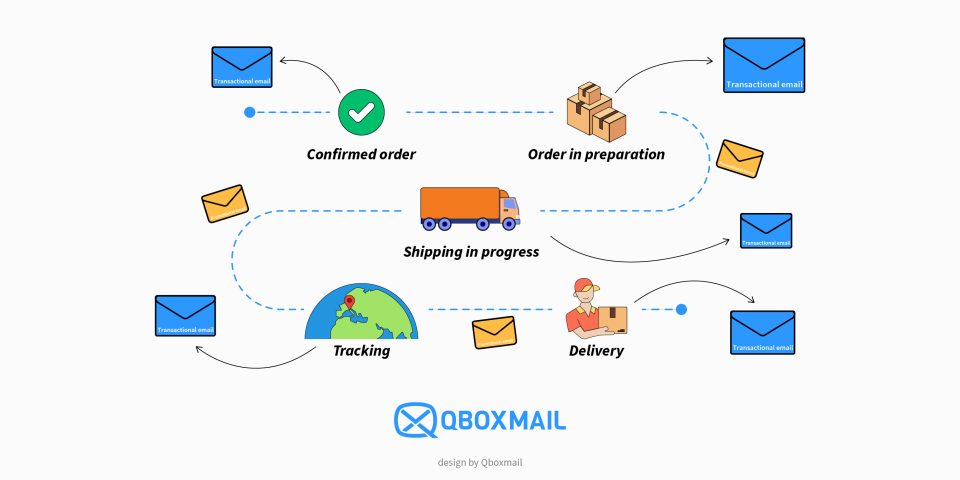
Email Notifications for Shipping: Management in Logistics Systems
