How Social Engineering Exploits Human Behaviour in Cyber Attacks


Understanding Social Engineering
Social engineering is a cyber attack that targets people instead of systems. Attackers use deception and psychological manipulation to steal confidential information such as passwords, identity details or access to corporate accounts.
Unlike traditional malware, there is no antivirus that can fully protect against it. The attack succeeds because the victim trusts the person on the other side. Once the attacker gains access to that trust, stealing information becomes easy and often goes unnoticed until it’s too late.
How Attackers Manipulate Behaviour
A social engineer studies behaviour before taking action. They collect personal details from social media, public databases or online interactions to build a complete profile of the target. By observing habits, routines and relationships, they can predict reactions and use them to their advantage.
The manipulation starts with a relationship. Attackers mimic legitimate contacts, speak with confidence and use the right tone to sound credible. Some create emotional connections, others impersonate colleagues or support staff. In every case, the goal is the same: exploit human trust to bypass technical defences.
The Most Common Social Engineering Attacks
Social engineering takes many forms, but a few patterns appear more often than others:
- Email phishing: fake messages that urge users to click links or share credentials
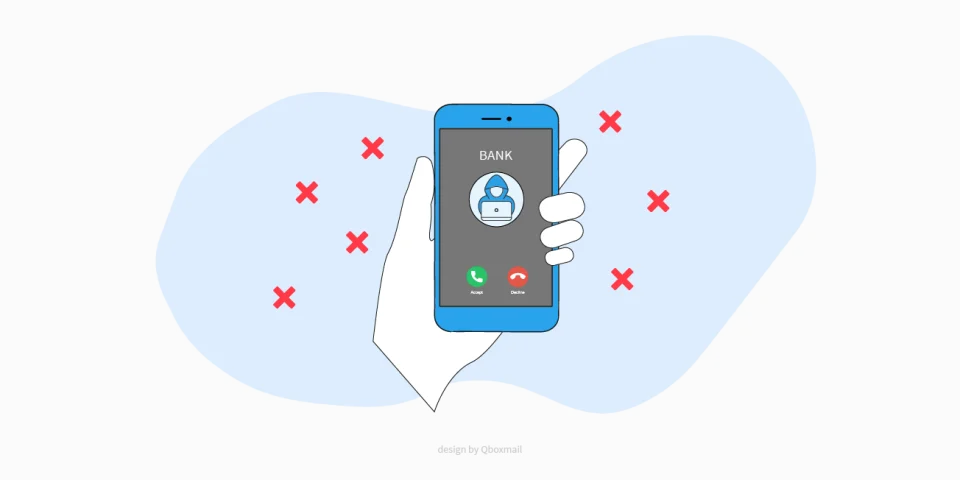
- Phone-based scams (vishing): attackers posing as bank or IT support staff to extract sensitive data
- Social network traps: fake profiles that build trust before requesting information or spreading malicious links
- Technical support fraud: fake technicians persuading users to install remote access software
Each of these methods relies on the same principle: the human factor. Attackers know that people can be convinced faster than systems can be hacked.
Defending your Organisation
The best defence against social engineering starts with awareness. Every employee must recognise that information has value and can become a target.
Training sessions on cybersecurity awareness help staff identify red flags such as unexpected password requests, urgent tone or offers that sound too good to be true. Procedures should define how to verify any unusual request, especially those involving credentials or financial actions.
Technology supports the process but doesn’t replace it. Advanced email security filters can stop many phishing attempts before they reach the inbox, reducing exposure to social engineering. Combined with internal policies and clear communication channels, this approach builds a real defence line around the company.

Deepfake: the Danger that Speaks With your Voice

Smishing: How to Protect yourself From SMS Scams