Social Engineering, how it works and how to protect your business


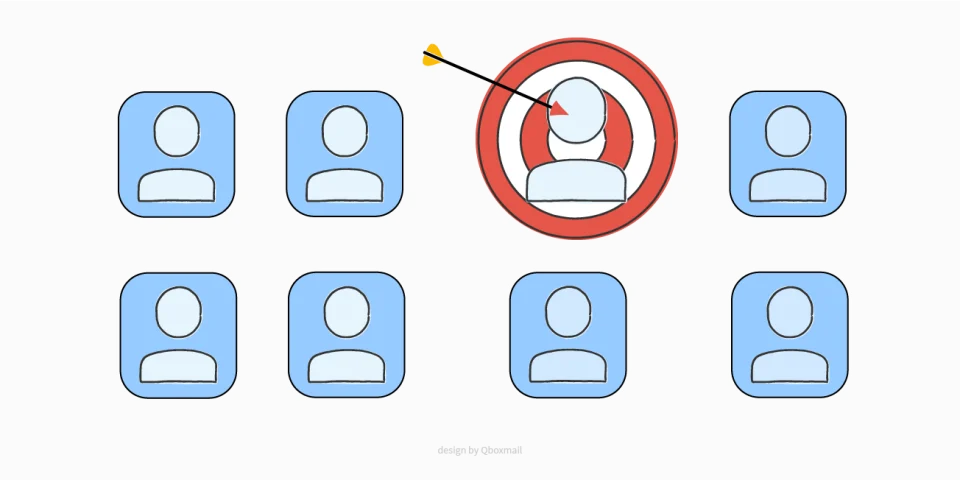
Social engineering remains one of the most effective attack strategies in the cybersecurity landscape. Unlike traditional hacking, it targets people, not systems. The goal is simple: manipulate users into revealing confidential data, credentials or access to company resources.
Recognising the most common social engineering attack
Email Phishing
Phishing emails often look authentic and appear to come from trusted sources such as banks, service providers or partners. Attackers use them to steal passwords or payment data through fake links or attachments. Always check the sender’s domain and avoid clicking on unexpected links, especially when they ask for login details or payment confirmations.
Phone Scams
Attackers can fake caller IDs to impersonate a bank or supplier. They sound calm and professional to earn trust, then convince the victim to transfer funds or confirm credentials. Legitimate institutions never request sensitive data by phone.
Social Media Profiling
Cybercriminals often analyse public profiles on LinkedIn or Facebook to collect personal details and create convincing messages. Even a single post may provide enough information to impersonate a colleague or partner in a future attack.
Tech Support Fraud
The victim receives a call or a popup message from someone claiming to be a technician. The attacker insists there is a problem with the system and asks for remote access. Once access is granted, malware is installed, or confidential data is stolen.
How to protect your business
Security awareness comes from small, consistent actions:
- Verify any request involving payments or credentials through a separate communication channel.
- Enable Multi-Factor Authentication (MFA) on all accounts to reduce the risk of password theft.
- Keep email security filters and antivirus tools updated.
- Train your team regularly, because one distracted click can compromise an entire infrastructure.
Social engineering takes advantage of trust and distraction. Technical defences are important, but awareness is what truly makes the difference. Building a culture of attention, supported by reliable security tools, helps every organisation stay protected and resilient.
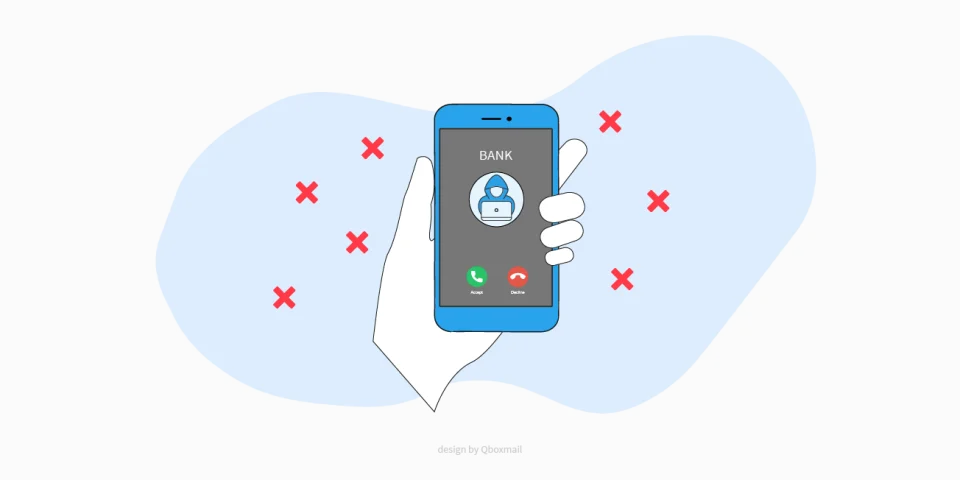
Vishing attacks: how to spot and prevent phone scams
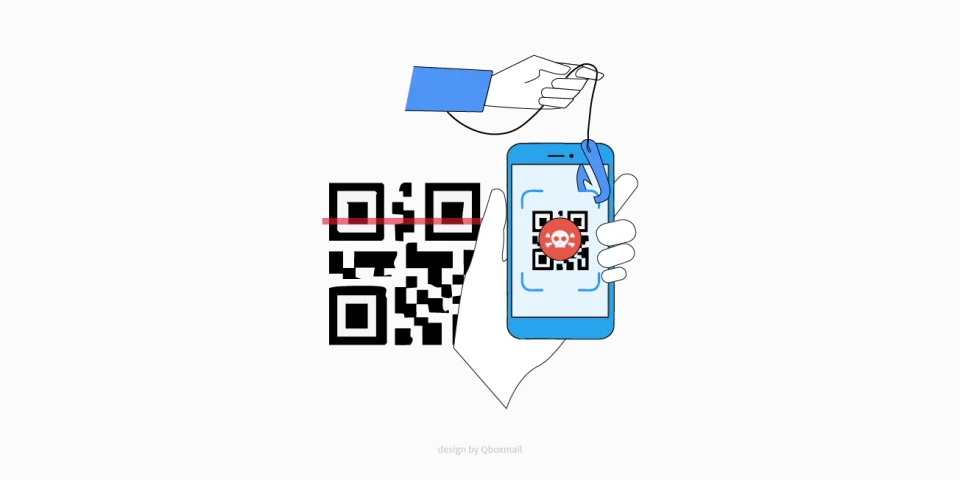
Quishing: Phishing Through QR Codes