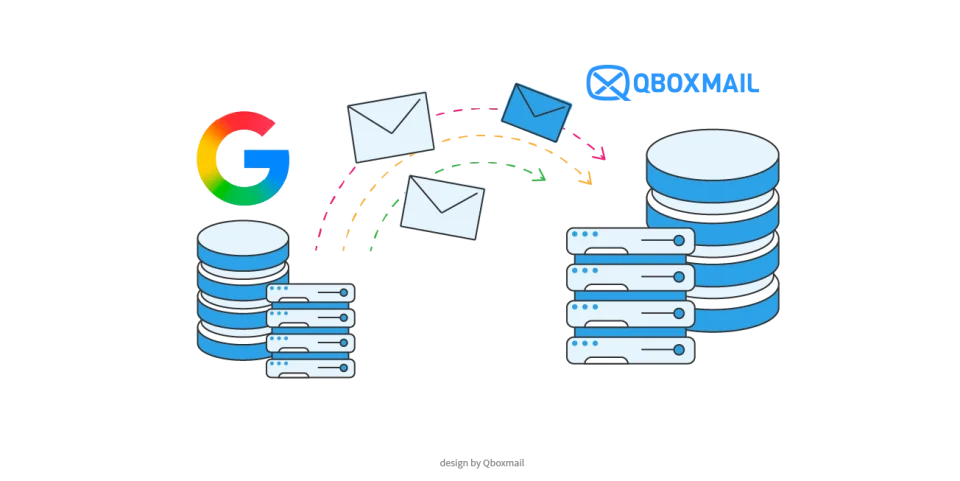
Optimize your email deliverability with SPF, DKIM, and DMARC


Email Authentication Methods
Deliverability depends on trust.
When an email is verified through authentication, recipient servers know it comes from a legitimate source and not from a spoofed address.
Three standards define this verification process: SPF, DKIM and DMARC.
Qboxmail automatically applies these authentication systems to all outgoing emails, helping companies improve their reputation and keep their messages out of spam folders.
SPF: Authorizing your Sending Servers
Sender Policy Framework (SPF) prevents address forgery by listing the servers authorized to send emails for a domain.
The domain owner publishes an SPF record in the DNS that contains these authorized IP addresses.
When a recipient server receives an email, it checks the sender’s SPF record.
If the sending server is not listed, the message can be rejected or flagged as suspicious.
Correctly configured SPF records tell other servers who can send on your behalf, reducing spoofing and improving delivery rates.
DKIM: Verifying Message Integrity
DomainKeys Identified Mail (DKIM) ensures that messages have not been altered during transit.
It works through a pair of cryptographic keys.
The sender signs each message with a private key, and the recipient verifies the signature using the public key stored in the DNS of the sending domain.
Qboxmail signs all outgoing emails with DKIM by default.
This guarantees that recipients can verify the message’s authenticity.
If the signature matches, the message is considered safe and trustworthy.
Reliable authentication improves sender reputation, helping newsletters and transactional messages reach the inbox more consistently.
DMARC: Coordinating Authentication Results
Domain-based Message Authentication, Reporting and Conformance (DMARC) adds an extra layer of protection by connecting SPF and DKIM results.
It instructs recipient servers on how to handle messages that fail authentication checks and provides reports that show who is using your domain.
By setting a DMARC policy, you gain visibility into authentication activity and detect possible misuse of your domain.
Even a basic p=none policy is a good starting point to monitor and analyse reports before applying stricter rules.
Build a Safer and More Efficient Email Environment
Correctly implementing SPF, DKIM and DMARC strengthens your sender identity and improves deliverability.
These standards also support compliance with Gmail and Yahoo’s 2024 authentication requirements, helping your messages reach the inbox securely.
If you are a Qboxmail customer, you can manage authentication settings directly from your Control Panel and rely on automated configuration.
For more details on delivery optimization and sending policies, activate the Email Delivery service with our free plan to start sending with maximum reliability.
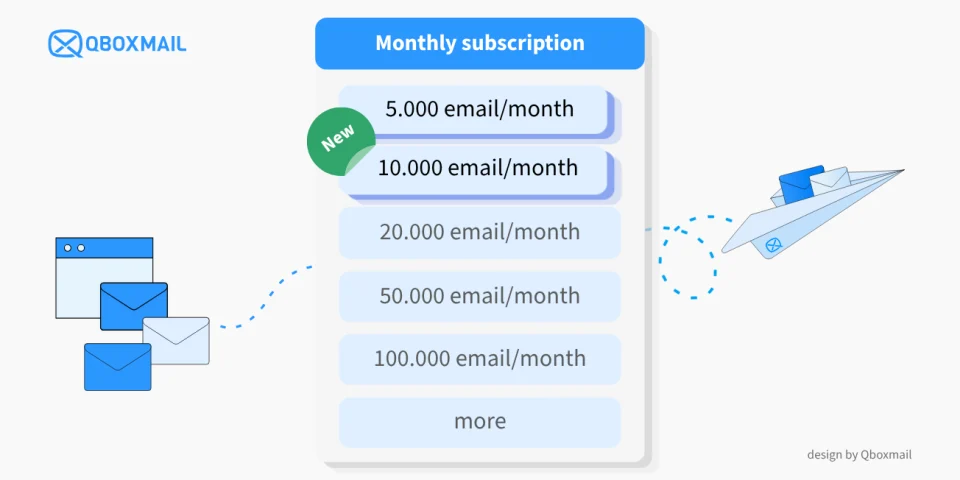
Low-Volume SMTP Relay: New Email Delivery Plans with 5,000 and 10,000 emails per month
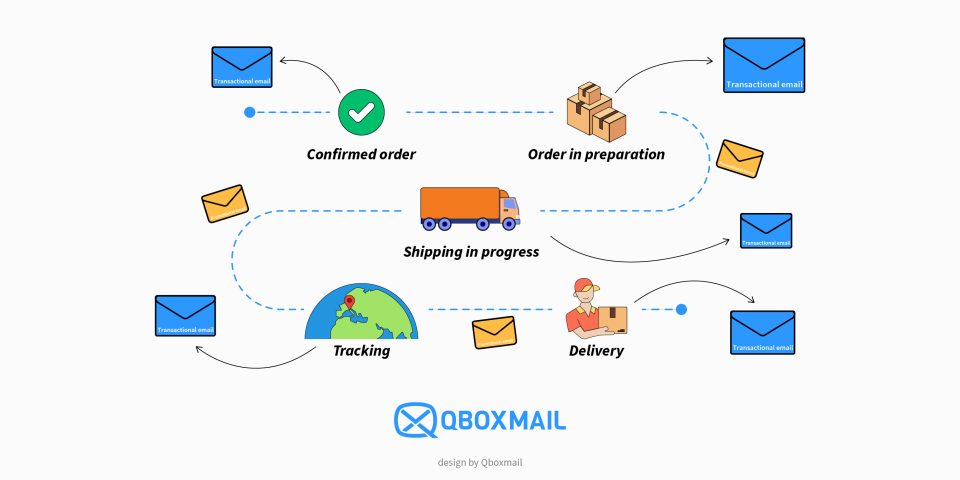
Email Notifications for Shipping: Management in Logistics Systems