Email: an Independent Communication Channel Beyond Big Tech

Email has shaped the history of digital communication for more than 50 years. Invented on ARPANET, it has evolved with every technological step, from SMTP and POP3 to IMAP with HTTPS and TLS. Mobile access later brought email into everyone’s pocket, making it easy to check messages anywhere.
Despite all these changes, email has kept its essence: it remains a free and independent medium, not tied to a single company or proprietary platform. Unlike social networks or instant messaging, email works on open standards that allow interoperability across providers. Whether you use Gmail, Outlook, or your own server, the protocol stays the same and communication flows without barriers.
Privacy and persistence
Encryption and security measures have strengthened over time, keeping email private and reliable. Its asynchronous nature lets people send messages when convenient and respond later. Persistent storage means users can retrieve important conversations even years after receiving them.
Email vs messaging apps
The main difference between email and messaging apps lies in control and independence.
- Independence and interoperability: users can choose their provider or run their own server.
- Openness: anyone with an address can communicate, no app or network required.
- Persistence: emails stay stored until the user deletes them.
Messaging apps
Contact constraints: users must share phone numbers or accounts, which limits freedom and raises privacy concerns.re of communications, remaining true to its nature as a free and independent tool.
Centralization: companies control access and force users onto their platforms.
Service dependency: policies and business models can restrict privacy or availability.
A channel for the future
Email continues to prove its value as an independent and universal communication tool. It has adapted to new technologies without losing the openness and freedom that made it unique from the start. In a landscape dominated by corporate-controlled platforms, email remains the reference point for free communication
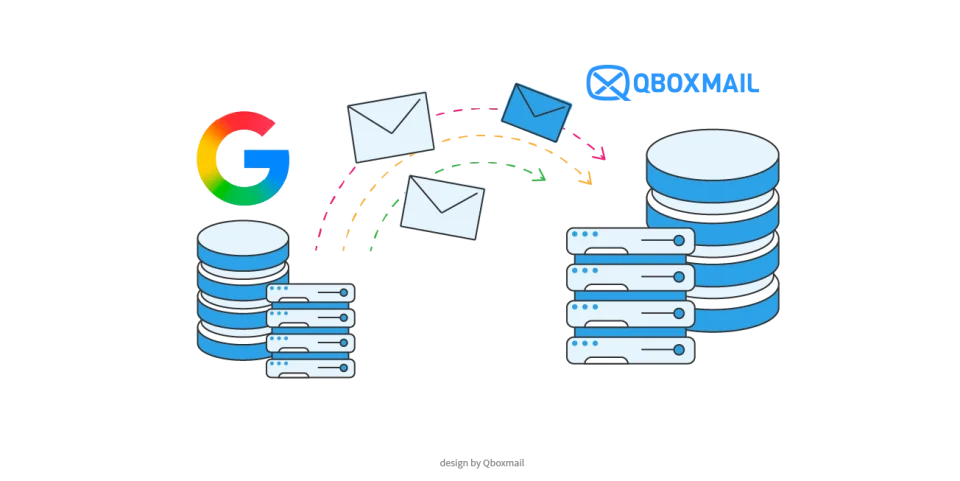
Email migration from Google Workspace: what to know

Digital Receipts via Email
