Email Hosting Providers Benchmark: Dedicated Mail Server

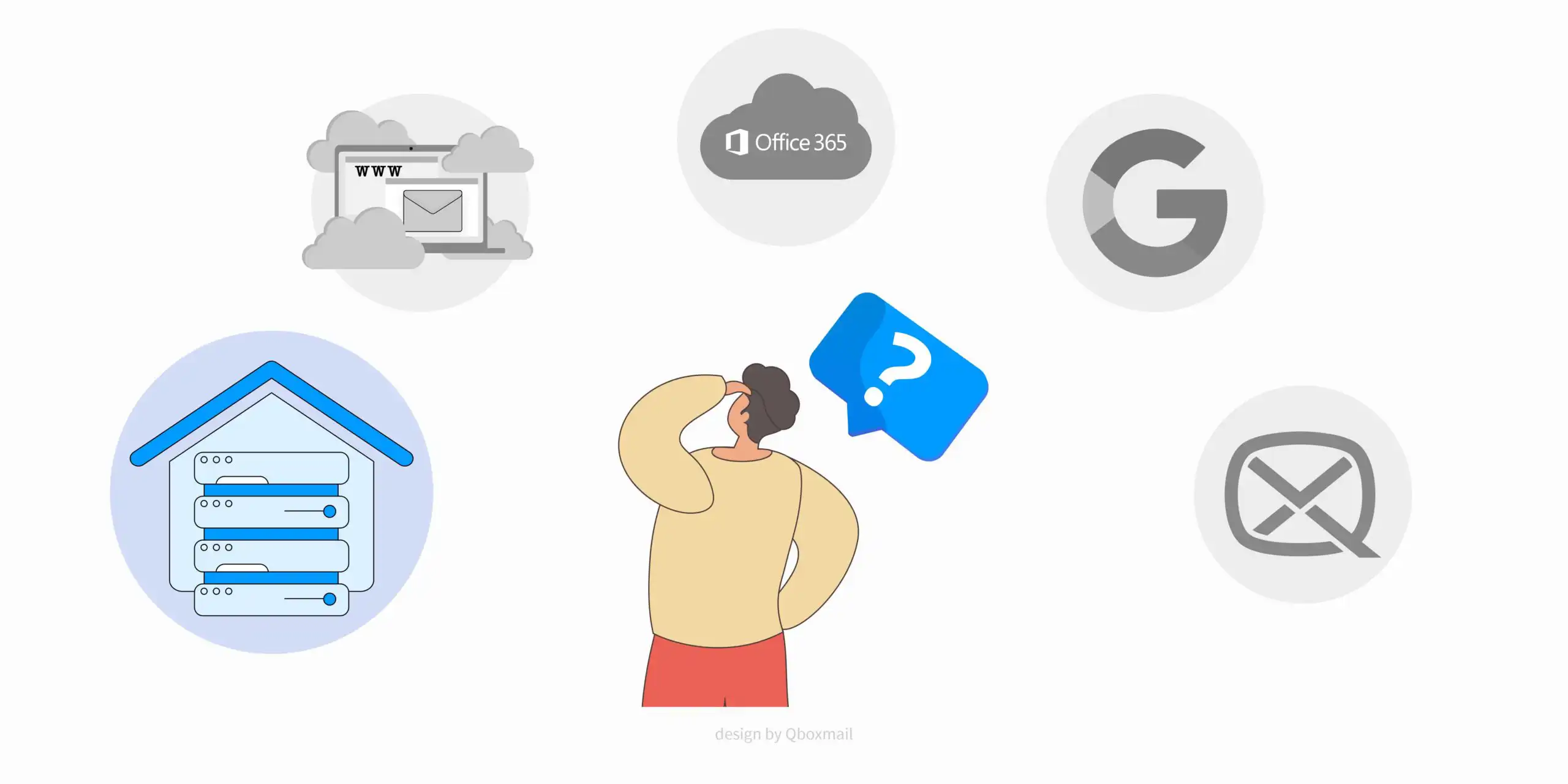
This chapter evaluates the dedicated mail server option. The goal is to help MSPs and agencies compare email hosting models using the same set of criteria.
If you missed the first chapters in the series, you can start with:
- Why you should manage your customers’ emails
- 7 Best Practices in Selling and Managing Professional Emails
How we compare options
For each model we look at seven aspects: reseller experience, security and deliverability, help desk, migration, backup, mailbox size options, and pricing model.
What “dedicated mail server” means
You control the full stack: operating system, MTA/MDA, security layers, storage, and monitoring. That control brings flexibility and responsibility in equal measure.
Reseller experience
Full control lets you tune every layer, but you also own installation, configuration, updates, and lifecycle management. Platform changes, resource planning and capacity upgrades require careful scheduling to avoid downtime.
Security and Deliverability
Authentication (SPF, DKIM, DMARC) and filtering are possible, but you select, deploy, and maintain all components. You also manage IP reputation and feedback loops. Misconfiguration can affect inbox placement, so governance and regular reviews are essential.
Useful references: SPF (RFC 7208), DKIM (RFC 6376), DMARC
Help Desk
Owning the stack can speed up root cause analysis. It also means you are the last line of support. Plan for access to detailed logs, message tracing, queue inspection, and metrics so you can answer “what happened to this message?” quickly.
Docs worth bookmarking: Postfix documentation, Dovecot documentation
Migration Tools
You choose and operate the migration toolkit (IMAP copy tools, throttling rules, cutover plans). Standardize playbooks to reduce risk when onboarding new tenants.
Backup services
Backups are not built in by default. You decide retention, storage targets, and recovery tests. Include both server-level snapshots and mailbox-level recovery to cover day-to-day needs.
Mailbox size options
Flexibility is high. You define storage quotas and growth policies. Monitor disk usage, I/O and performance to keep user experience stable as mailboxes grow.
Pricing model
Costs depend on infrastructure, software licenses where applicable, power, monitoring, and the time required for maintenance and support. Budget also for hardware refresh cycles and contingency capacity.
When a dedicated mail server fits
- You need deep customization and are ready to invest in operations
- You have in-house expertise for mail, DNS, security, and monitoring
- You want full control over change windows and performance tuning
Trade-offs to consider
- Operational overhead and on-call responsibility
- Ongoing work on deliverability and security posture
- Capacity planning and lifecycle management
Where Qboxmail fits in this benchmark
If you prefer to keep control over policies without running the underlying infrastructure, Qboxmail provides an email platform built for resellers. Headquarters and a Tier IV datacenter are in Italy. Software is developed in-house (Control Panel, Webmail, Backup, Archiving, Email Security) and data is managed entirely in Europe in line with GDPR.
You manage domains, users and policies from a multi-level Control Panel, automate with open APIs, rely on strong IP reputation for deliverability, and protect users with advanced filtering. Backup is included on all plans via Mail Time Machine; long-term Email Archive is available when needed. The service is White Label and pay-per-use.
In the next chapter we examine email accounts offered by web hosting providers, using the same seven criteria.